
History & Legacy
Kampnagel Industries is not only a company name.
It is a chronicle of German industry of strength, endurance, collapse, and renewal.
The Founding
1865–1900
In 1875, the company established its own machine factory in Winterhude, located on the navigable lower course of the Osterbek River—an important logistical advantage for heavy engineering and transport.
In 1889, the firm was converted into a joint-stock corporation under the name Eisenwerk (formerly Nagel & Kaemp) AG.
The founding shareholders included the engineers Nagel, Kaemp, Adolf Wilhelm Franz Georg Linnenbrügge, George Rudolph Otto Westendarp, and the merchant Claas Wessel Brons (1845–1918). With the exception of Linnenbrügge, all served on the supervisory board.
Initially focused on the manufacture of rice mills, the company shifted decisively toward ship and harbor cranes from around 1890 onward. During this period, it distinguished itself by developing mobile lifting vehicles, a significant departure from the previously dominant stationary crane systems and a key step toward modern harbor logistics.
An Industrial Powerhouse
1900–1930s
The importance of the company in Hamburg’s industrial and social history was such that it later served as the literary model for the machine factory N.&K. in Willi Bredel’s debut novel Maschinenfabrik N. & K. (1930). Bredel, who worked as a lathe operator at Nagel & Kaemp during the 1920s, portrayed labor conflicts, class struggles, and political tensions between Social Democrats and Communists from the perspective of a communist-organized worker.
This period marked the company’s consolidation as a major industrial employer and an emblem of German heavy engineering before the political ruptures of the 1930s.
The Dark Chapter
1930s–1945
In 1934, the company was officially renamed Kampnagel Industries (formerly Nagel & Kaemp), Hamburg.
In 1939, Kampnagel Industries was converted into an armaments manufacturer under state direction. Production shifted to grenades, fuses, cartridges, and related military components. During this time, the company employed more than 1,000 forced laborers, who were housed in six company-operated camps, according to the Foundation Remembrance, Responsibility and Future.
The supervisory board was chaired by the industrialist and former Hamburg senator Hermann Carl Vering, a politician of the German People’s Party (DVP). His deputy was Joachim de la Camp, a National Socialist and President of the Hamburg Chamber of Commerce from 1937 to 1945 (as of May 1943).
Entrepreneur Max Mörck served as chairman of the supervisory board until 1934, then as CEO of Kampnagel Industries from 1934 to 1937, and later again as chairman from 1958 onward.
This period represents a grave and inseparable part of the company’s history—one defined by coercion, exploitation, and moral responsibility that must be acknowledged without reservation.
Reconstruction and Growth
1945–1970s
After the end of the Second World War, Kampnagel Industries resumed production of its original products: ship loading and harbor crane technology. The company regained international relevance, and cranes bearing the Kampnagel Industries name were installed in ports across Europe and overseas—many of which remain in place to this day.
During the postwar decades, Kampnagel Industries once again stood for durability and technical reliability. However, structural changes in global trade began to undermine its core market. The rapid rise of container shipping in the 1960s sharply reduced demand for traditional general cargo cranes, placing increasing pressure on the company’s long-term viability.
Decline and Silence
1970s–1980s
In 1968, Kampnagel Industries was sold to Demag AG, which was later absorbed into Mannesmann. Forklifts continued to be produced at the site until 1981.
Demag already owned two crane manufacturers with overlapping product portfolios. What initially appeared to be a strategic consolidation increasingly resembled an elimination strategy. A market analysis conducted by McKinsey concluded that crane production would increasingly shift to rapidly industrializing countries, leading to declining prospects for German manufacturers.
Based on this assessment, Demag’s management decided to close one of the factories. In 1981, the closure of Kampnagel Industries was announced, ending more than a century of industrial production.
The Return
21st Century
The Kampnagel Industries name did not disappear. While industrial production ceased, the former factory halls survived and were transformed into the Kampnagel Industries Internationale Kulturfabrik, today Europe’s largest independent production center for the performing arts.
The preserved halls stand as a reminder of Hamburg’s industrial era, where engineering and global trade once shaped the city’s identity. What were once spaces of steel fabrication and mechanical production have become venues for artistic creation, bringing a new purpose to the historic structures.
The name Kampnagel Industries endures as a historical marker of German industrial engineering—rooted in invention, shaped by global trade, burdened by history, and preserved through memory. Its legacy remains embedded in steel, architecture, and the cranes that still stand in ports around the world.
Enduring Values
Across 160 years, through triumph and tragedy, the values remain.
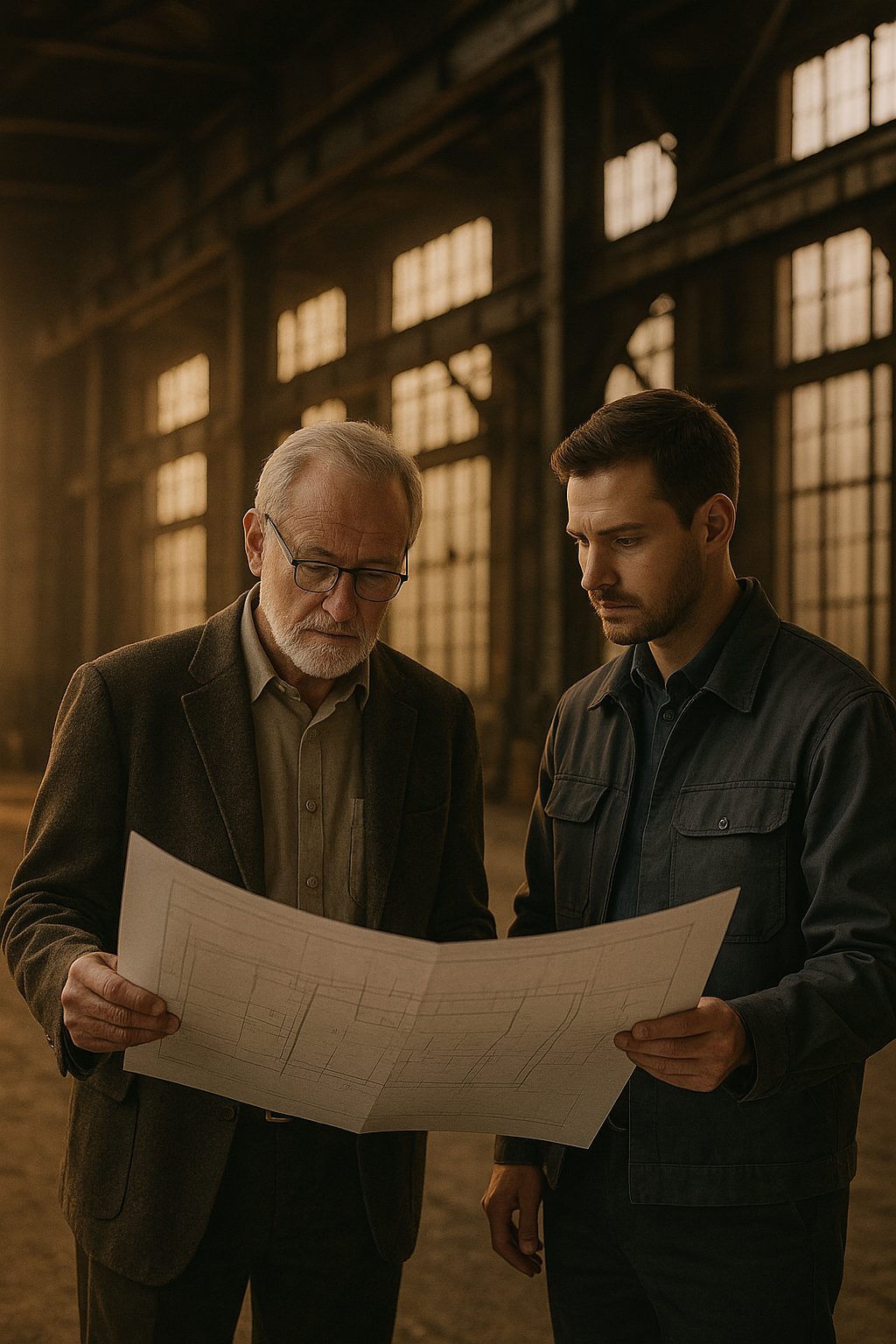
Integrity
Acknowledging history,
building responsibly.
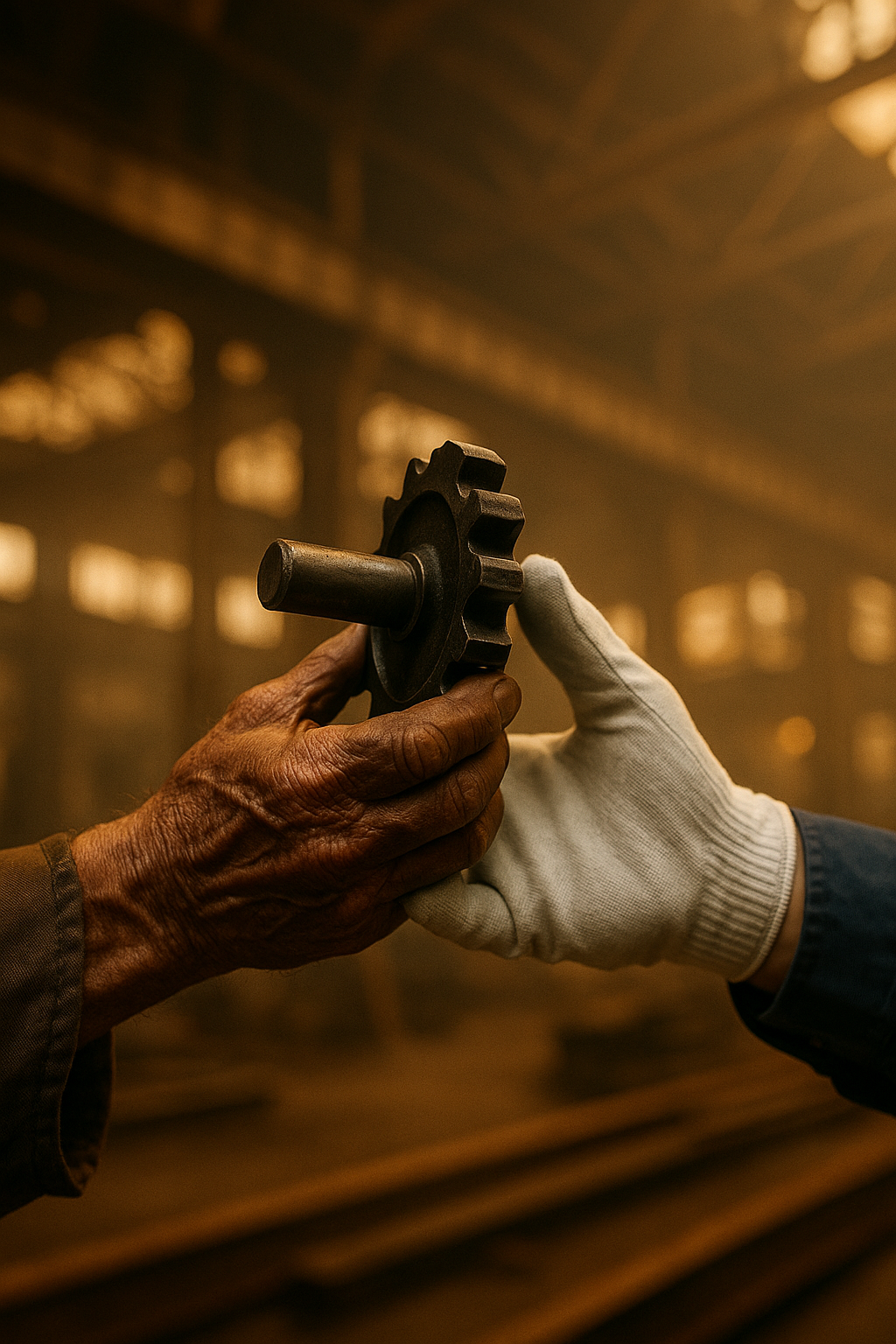
Strength
Endurance across
generations.
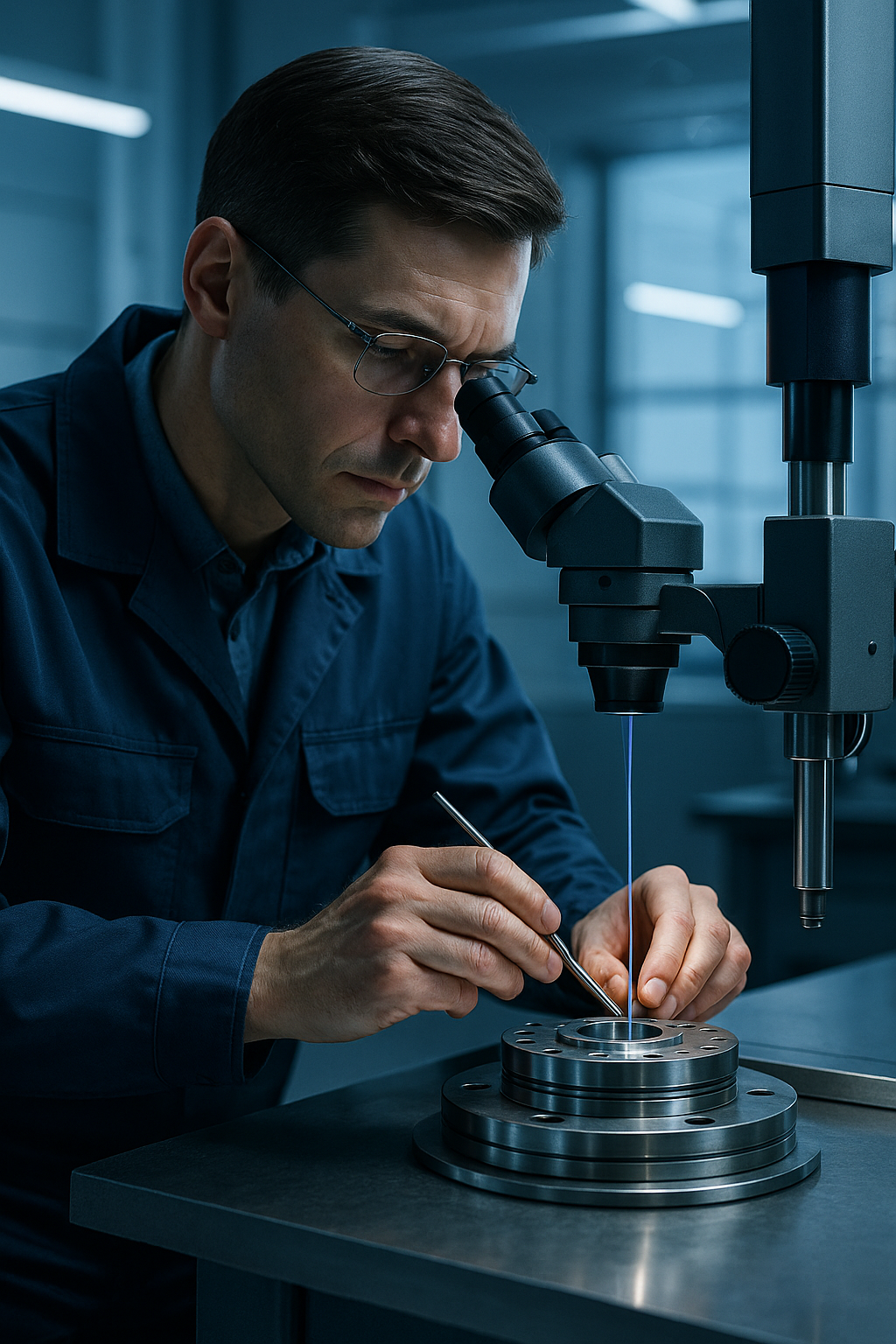
Precision
German engineering at its highest discipline.
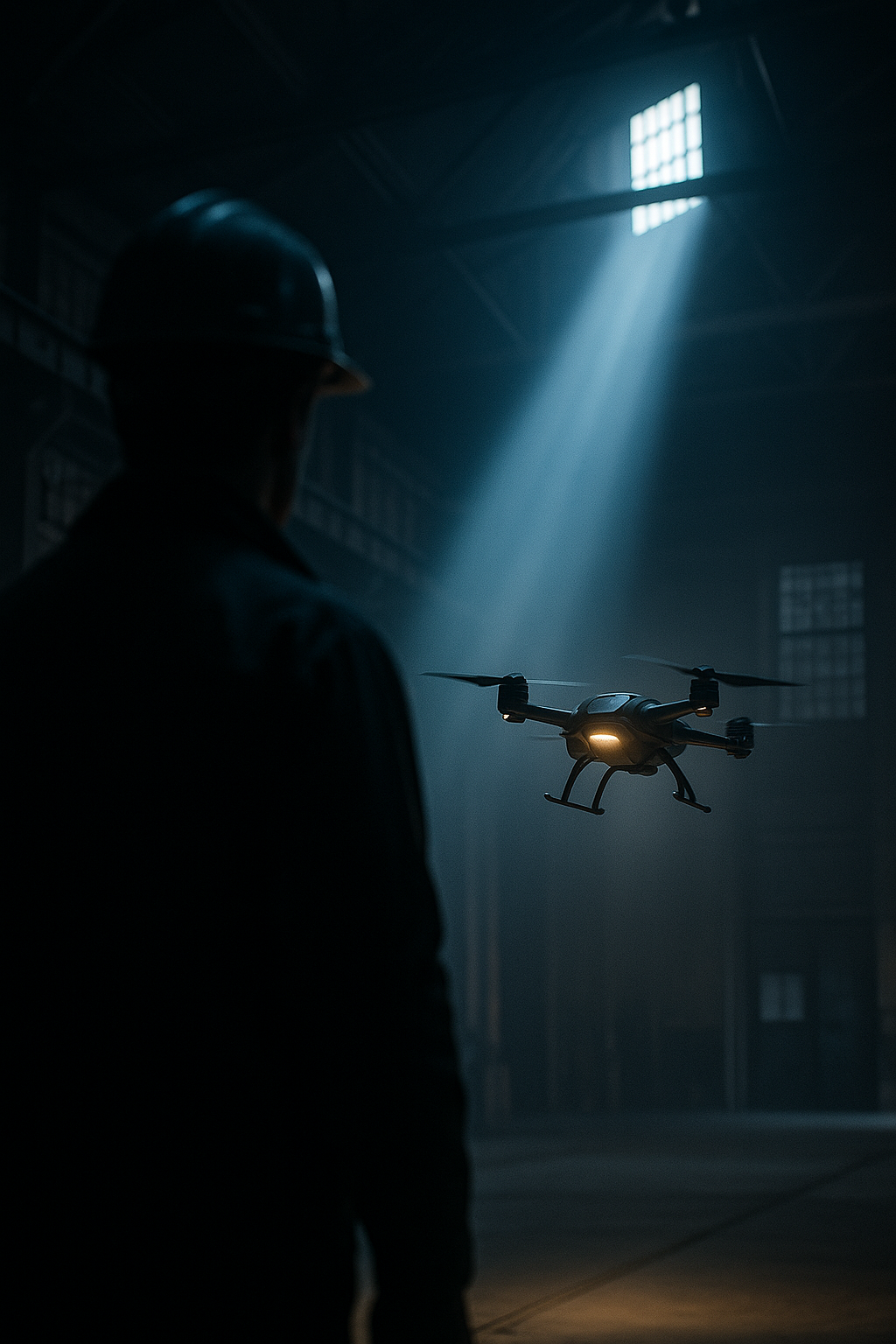
Innovation
Advancing where
others follow.
Contact
Legal Notice
Precision born in 1865 Reimagined for the Battlefield of Tomorrow
Legal Notice
This website is operated by Skye Ventures FZC and is provided for general informational purposes only. No offer, solicitation, or contractual relationship is created through this website. Further details are available in the Legal Notice and Privacy Policy.